


Preparing for a gravel bike ride in Quebec
Enjoy the freedom of gravel biking! Set off to discover the hidden treasures of unpaved roads and the rich flora and fauna of Quebec along gravel paths.
But first, here are a few tips for choosing the right route, packing the necessary gear, and adopting best practices for a safe and enjoyable ride.
How to plan your route
1. Consider your skill level and goals
The choice of route depends above all on your level of experience and your goals. Is this your first gravel bike ride, or are you discovering a new part of the country? Are you looking for a bucolic solo ride or a challenging group climb? Do you prefer forest trails or wide-open spaces?
Once you've clarified these elements, it's best to take a gradual approach. Start by riding short distances in a nearby area on an existing route; the map indicates the different levels of difficulty for each route. Handy!
This will help you get familiar with:
- your bike,
- your equipment,
- the specific features of the terrain.
As you go on more rides, your preparation will become more refined and better suited to your situation.
2. Take into account the various factors that influence the ride
When gravel biking, several factors must be evaluated before setting off:
Speed
The duration of your ride will vary depending on the difficulty of the terrain, the condition of the road or trail surface, weather conditions, and your physical fitness. Plan shortcuts or loops to adjust the duration of the ride, if necessary.
Elevation
Whether cumulative or successive, elevation directly influences the effort required. Even gradual climbs can become demanding over long distances. The percentage of the slope is also a determining factor: steep climbs require more energy than long, gentle slopes.
Surface type
Compacted gravel, forest trails strewn with stones, sandy sections, or damaged roads... Not all gravel roads are the same and offer varying levels of difficulty and comfort.
Refreshment stops
Their availability influences the length of stops and the amount of water and food to carry. The best stops are, of course, tourist establishments certified as "Bienvenue cyclistes!" (Cyclists welcome!), which always greet you with a smile and offer services tailored to your needs.
Weather
The weather plays a key role in gravel riding. Rain can turn a rolling surface into heavy or slippery terrain, significantly slowing down progress and increasing mechanical risks. Wind, often more exposed in open areas, also influences the effort and travel time. Check the forecast before you set off and pack suitable clothing, as well as a plan B in case conditions deteriorate rapidly.
Remoteness and access to services
Gravel routes often pass through sparsely populated areas. It is important to assess the distance between available services: water sources, shops, repair shops, and, above all, resources that can be accessed in an emergency. Consider the time needed to reach medical services and check cell phone coverage along your route. If there is no signal, it is essential to share your route in advance and have a minimum of self-sufficiency (tools, first aid).
3. Find your ideal route with Le Québec à vélo
On the Le Québec à vélo platform, it’s easy to find routes that match your skill level and preferences:
- Choose the region you’d like to explore and check the interactive map to find roads, paths, and trails accessible by bike.
- Explore available routes based on difficulty and theme.
- Check key information: total distance, elevation gain, and approximate duration of the ride.
- Locate useful services along the route: restaurants, campgrounds, lodging, and tourist attractions certified as “Welcome Cyclists!”.
Make sure the route matches your skill level, the preferences of your entire group, and the time you have available. Choose your gear accordingly to avoid any unpleasant surprises!
Gravel bike routes
Map options
On a protected, paved bike path
On a protected, unpaved bike path
On a paved road
On an unpaved road
Section under development
Temporary detour
Packing Your Gear
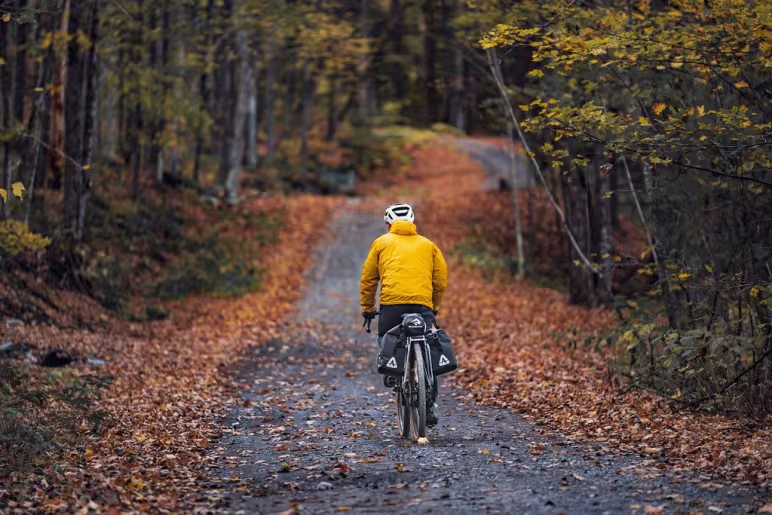
When it comes to gravel biking, there’s no one-size-fits-all approach. It’s through experience that each rider refines their choices and develops good habits to properly prepare for every ride.
So, what gear to bring depends on many factors:
- the season,
- the type of terrain,
- the duration of the ride,
- the distance of the route,
- your personal needs and those of your companions.
If you’d like to know what essential gear to bring on a bike ride in general, visit the Vélo Québec website and check out the article that covers the topic in detail. You can also read the article on how to choose a touring or adventure bike.
Best Practices for Gravel Biking
Finally, to fully enjoy your rides while respecting the environment and others, here are the main best practices to follow in Quebec:
- Respect zoning regulations.
- Pay access fees when required.
- Be aware of hunting seasons and plan your route accordingly.
- Ensure safe coexistence with farm vehicles on country roads.

Coexistence and Respect for Right-of-Way
One of the great things about gravel bikes is that they let you explore new paths and trails. Be courteous to other users (farm machinery, hikers). They may not be used to encountering cyclists. If your route crosses private property, make sure you have permission to pass through and stay on the path. The permanence of right-of-way agreements can sometimes be fragile!
For more information, check out the guide: